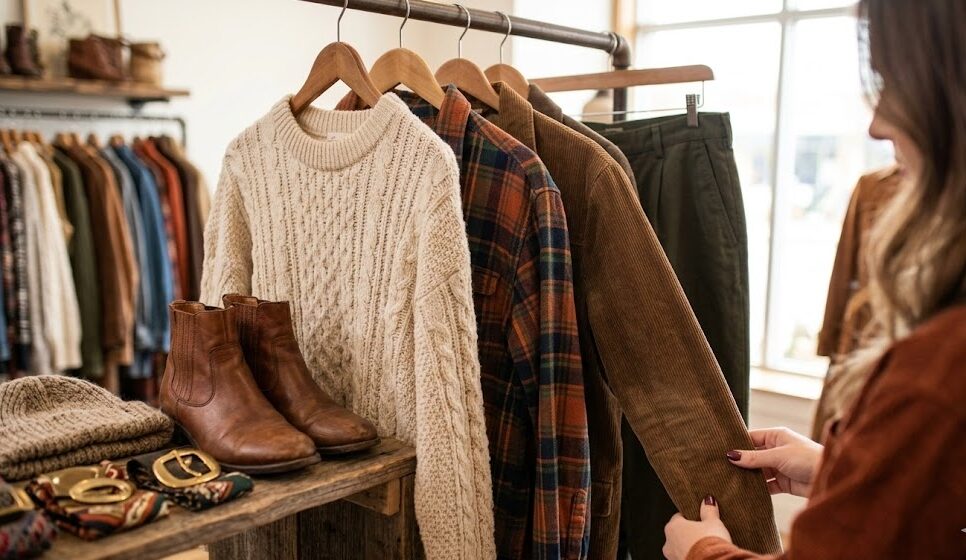
Thrift shopping is a smart way for seniors on a fixed income to save money while finding quality items. With clothing priced at $8 on average – compared to $40 in retail stores – it’s possible to save up to 80%. Shopping secondhand can reduce expenses by over $2,000 annually, all while supporting local causes like veteran initiatives and reducing waste. Stores like Red Racks Thrift Stores even offer senior discounts, loyalty programs, and special promotions to stretch your budget further.
Quick Tips for Thrift Shopping Success:
- Set a budget: Use cash or a prepaid card to avoid overspending.
- Create a list: Prioritize essentials such as warm clothing or household goods.
- Take advantage of discounts: Many stores offer 10–50% off for seniors.
- Inspect items: Verify quality, check for missing parts, and test functionality.
- Plan your visits: Shop midweek for new inventory and better deals.
Thrift shopping not only helps you save but also supports local communities and keeps usable items out of landfills. Stores like Red Racks make it easy to shop affordably while contributing to meaningful causes.
Setting Your Budget and Shopping Goals
Thrift shopping works best when you know your spending limit and have a clear idea of what you need. A little planning can help you avoid overspending and bringing home items you don’t actually use.
Creating a Realistic Spending Limit
Start by taking a close look at your budget. After covering your fixed expenses – like rent, utilities, and groceries – see how much is left for extras like thrift shopping. This step ensures you’re spending responsibly.
One effective way to stick to your budget is to use cash. Bring only the amount you plan to spend, and you won’t be tempted to go over. If you prefer not to carry cash, consider loading $30–$40 onto a prepaid card and leaving your other cards at home.
Tracking your spending while you shop can also help. Whether you jot down totals in a notebook, use a notes app on your phone, or rely on a basic calculator, keeping tabs on your purchases ensures you stay within your limit. You might even divide your budget into categories, like essentials, home goods, and occasional splurges, to stay organized.
Once you’ve set a spending limit, it’s time to focus on what you need most.
Making a Priority Shopping List
A priority shopping list keeps you focused and ensures you don’t overlook important items. Before heading out, take a quick inventory of your home to see what’s running low or needs replacing.
Start with the essentials – think comfortable pants, warm sweaters, or sturdy shoes. Then, consider practical home goods like kitchen utensils, storage containers, or small appliances. If you’re working with limited space, prioritize items that serve multiple purposes, such as a storage ottoman that doubles as seating or a coffee table with built-in shelves.
Don’t forget to think about the needs of others in your household. Maybe you’ll find a sweater in your spouse’s size or a book your grandchild would love. Having a list makes it easier to decide which deals to grab.
To stay on track, rank your list by importance. Place must-have items, like a winter coat, at the top and less urgent ones further down. That way, if you’re nearing your budget’s limit, you’ll know exactly where to focus your spending.
Planning for Needs and Fun Finds
Thrift shopping is a mix of practicality and the thrill of discovery. A good rule of thumb is to dedicate about 80% of your budget to essentials and save 10–20% for those unexpected treasures that catch your eye.
Before making any purchase – whether it’s on your list or an impulse buy – pause to ask yourself a few questions:
Will I actually use this? Do I have space for it? Is it of better quality than what I already own?
These questions can help you avoid buyer’s remorse.
If you’ve recently downsized or live in a smaller space, be mindful of your available space. Bring a tape measure and note the dimensions of any areas where new items might go. That beautiful bookshelf might be a steal, but it won’t be worth it if it doesn’t fit in your living room.
Getting the Best Deals and Value
Stretching your budget while thrift shopping is all about strategy. Shopping at the right times, taking advantage of discounts, and preparing for your trips can help you snag great deals. Let’s dive into how promotions, timing, and preparation can maximize your savings.
Using Discounts and Promotions
Thrift stores often run special discount days, like senior discount days, where shoppers aged 55 and older can save 10% to 20% on their purchases. If you’re a frequent thrift shopper spending about $200 a month, these discounts could mean saving anywhere from $40 to $100 monthly. That’s a lot of bang for your buck!
Some stores, like Red Racks Thrift Stores, also offer coupons in exchange for donations. These coupons can be used to save a percentage on your next purchase, making it a win-win situation – you declutter your home and save money.
Loyalty programs are another great way to save. Many thrift stores reward regular shoppers with perks like points, extra discounts, or early access to sales. Signing up for these programs can add up to significant savings over time.
Don’t forget about seasonal sales. End-of-season clearances and holiday promotions often bring deep discounts. To stay in the loop, ask store employees about upcoming sales or follow the store’s website and social media pages for updates.
Once you’ve mastered the art of using promotions, timing your shopping trips can help you score the best items.
Timing Your Visits for Better Selection
When you shop can be just as important as where you shop. Midweek trips, particularly on Tuesdays and Wednesdays, often give you access to freshly stocked inventory. Thrift stores typically receive donations over the weekend and spend the beginning of the week sorting and restocking. Showing up early on discount days can also increase your chances of finding high-quality items.
Consistency is key. Regular visits allow you to catch new inventory and improve your odds of finding that hidden gem.
Preparing for a Successful Shopping Trip
Preparation can make or break your thrift shopping experience. Bring along reusable bags to carry your finds, a prepaid card or cash to stick to your budget, and a measuring tape if you’re hunting for furniture or home goods. A shopping list can also help you stay focused and avoid those tempting impulse buys.
Comfort is crucial, especially when trying on clothes. Since many thrift stores have limited fitting room space, wearing layers or clothing that’s easy to remove can save you time and hassle.
With these strategies in hand, you’re well-equipped to make the most of your thrift shopping adventures – and your wallet will thank you!
Checking Items for Quality and Usefulness
Once you’ve budgeted and planned your thrift shopping, the next step is ensuring that your finds are worth it. A great deal only holds up if the item is both durable and functional.
Inspecting Clothing, Furniture, and Electronics
When it comes to clothing, take a close look at every detail. Check for stains, tears, missing buttons, malfunctioning zippers, weak seams, or excessive pilling. Care labels are important too – special cleaning requirements can add unexpected costs. Always try items on, as sizing can vary widely. Natural fabrics like leather, linen, or wool often last longer and wear better over time.
For furniture, test its sturdiness by checking for wobbling, cracks, or loose joints. Look for signs of water damage or pests, and keep in mind the item’s weight and dimensions, especially if you’ll need to move it.
When buying electronics, test them at the store if allowed. Ensure all buttons, functions, and accessories are in working order. Avoid items with frayed cords or missing labels, as these can be safety hazards.
Choosing Multi-Purpose and Space-Saving Items
For seniors, especially those downsizing, multi-functional items are a smart choice to save space and reduce clutter. Look for furniture that doubles as storage, like coffee tables with shelves, end tables with drawers, or beds with built-in compartments. Nesting tables and fold-out dining tables are also excellent for smaller spaces.
In the kitchen, prioritize appliances that can handle multiple tasks. A toaster oven, for instance, might replace both a toaster and a traditional oven. Stackable containers are another great option to keep pantry items organized without taking up too much room.
One shopper at Red Racks Thrift Stores snagged a gently used storage ottoman for just $25 – far less than the $80 price tag on a new one. After confirming its sturdy build, clean upholstery, and smooth hinge, they turned it into a functional piece that provided both extra seating and storage for blankets.
Checking for Missing Parts and Quality Brands
Before buying, make sure boxed items include all their parts by cross-referencing any provided lists. For kitchenware, check that pot lids match their bases and that appliances come with all necessary attachments. Recognizing reputable brands can also help you spot high-quality items. For example, a “New With Tag” shirt from a trusted label might cost a fraction of its original price at a thrift store.
Be cautious of red flags like strong odors, excessive wear, missing safety features, or signs of pest infestations. If you can’t fully inspect an item, it’s better to skip it.
Community Impact and Local Opportunities
Thrift shopping isn’t just about saving money – it’s also a way to give back to your community and support causes that matter. By choosing thrift stores that prioritize local initiatives, you can make a difference while snagging great deals.
Supporting Disabled American Veterans and Local Causes
Take Red Racks Thrift Stores, for example. This veteran-owned organization has been serving Missouri since 1958, operating 12 locations that directly benefit the community. As they proudly state:
“We serve the environment, our local community and Disabled American Veterans.”
Every purchase you make at Red Racks funds programs aimed at supporting veterans through their 501(c) nonprofit operations. For seniors on fixed incomes, shopping here means your money stays local, helping to make a tangible difference in Missouri.
But it’s not just about supporting veterans – your purchases also contribute to a healthier planet.
Reducing Waste Through Recycling and Reuse
Thrift shopping is a quiet hero in the fight against waste. The U.S. Environmental Protection Agency reports that Americans discard over 11 million tons of textiles annually. Meanwhile, the National Association of Resale and Thrift Shops highlights how thrift stores collectively keep billions of pounds of goods out of landfills every year.
At Red Racks, unsold items don’t go to waste. Clothing, furniture, and household goods that don’t sell are recycled, keeping thousands of pounds of materials out of Missouri landfills each year. Every item you purchase extends its life, reduces waste, and supports a more sustainable way of living – something many seniors value deeply.
Job Opportunities at Red Racks Thrift Stores
The impact of thrift shopping goes beyond purchases – it also creates jobs. Red Racks Thrift Stores offer flexible employment opportunities, making them an excellent option for seniors looking for supplemental income.
Working at Red Racks isn’t just about earning a paycheck. It’s a chance to be part of a mission that supports veterans, promotes sustainability, and strengthens local communities. Employees get to work in an engaging retail environment, interact with a variety of customers, and manage diverse donated items daily. For seniors who want to stay active and involved, these roles provide both financial rewards and personal fulfillment.
Organizations like Red Racks understand the unique strengths seniors bring to the workplace. With their dependable customer service skills, reliability, and passion for supporting meaningful causes, seniors are highly valued team members who make a real difference.
Conclusion
Thrift shopping provides seniors with a win-win-win scenario: it saves money, supports local causes, and contributes to a greener planet. By visiting stores like Red Racks Thrift Stores, you can make your retirement dollars go further while backing Disabled American Veterans and reducing waste in Missouri landfills.
Thrift shopping helps you stretch your budget with savings of up to 90% on quality items, supports community initiatives like those championed by Red Racks, and encourages sustainability by giving pre-loved goods a second life. Plus, it’s a great way to stay connected to your community and even explore part-time employment opportunities if you’re looking to stay active and add to your income.
With 12 Red Racks Thrift Store locations across Missouri, you can save big, support veterans, and embrace eco-friendly shopping. Since 1958, Red Racks has been committed to serving the community, making thrift shopping a smart and meaningful choice for seniors.
FAQs
What are some tips for seniors to find the best deals while thrift shopping?
Seniors looking to stretch their budget while enjoying a rewarding shopping experience should consider visiting places like Red Racks Thrift Stores. These stores offer a variety of affordable, quality items that cater to different needs and tastes. To snag the best bargains, try shopping on discount days, watch for seasonal sales, and take your time exploring the racks – you never know what hidden gems you might find!
What makes Red Racks even more special is their commitment to the community. By recycling unsold items and keeping prices low, they not only support local initiatives but also help veterans. It’s a win-win for seniors who want to save money and shop with purpose.
How can seniors make the most of their thrift shopping budget?
Thrift shopping offers seniors a smart way to save money while still finding great items. To make the most of your trips, start by setting a budget and focusing on the items you need the most. This approach helps you stay on track and avoid unnecessary purchases.
Stores like Red Racks Thrift Stores are excellent places to explore. They offer a variety of donated goods, including clothing, toys, and unique finds – all at affordable prices. Keep an eye out for discount days or seasonal sales to make your dollars go even further. It’s also worth stopping by frequently since new items are added all the time.
Take your time to inspect items closely for quality before buying. With a bit of patience and planning, thrift shopping can turn into a fun and cost-effective way to shop!
How does shopping at Red Racks Thrift Stores support the community and environment?
Shopping at Red Racks Thrift Stores does more than just save you money – it supports the community and helps the planet. Owned by veterans, Red Racks funds programs for Disabled American Veterans, all while providing local shoppers with budget-friendly options.
What’s more, Red Racks takes steps to minimize waste by recycling unsold items, keeping them out of landfills. Every time you donate or shop for gently used goods, you’re playing a part in these efforts, making quality items available to more people and promoting a cleaner, greener future.