Upcycling turns old clothes into new, functional items, reducing waste and giving textiles a second life. With less than 1% of textiles recycled into new clothing, the opportunity to reuse materials is massive. This guide focuses on the tools and materials you need to get started, whether you’re a beginner or experienced.

Key Takeaways:

  • Basic Tools: Fabric shears, tailor’s chalk, seam rippers, and measuring tools are essential for precision.
  • Sewing Options: Hand-sewing needles, all-purpose thread, and sewing machines streamline the process.
  • No-Sew Techniques: Adhesives like Stitch Witchery and iron-on patches offer quick fixes.
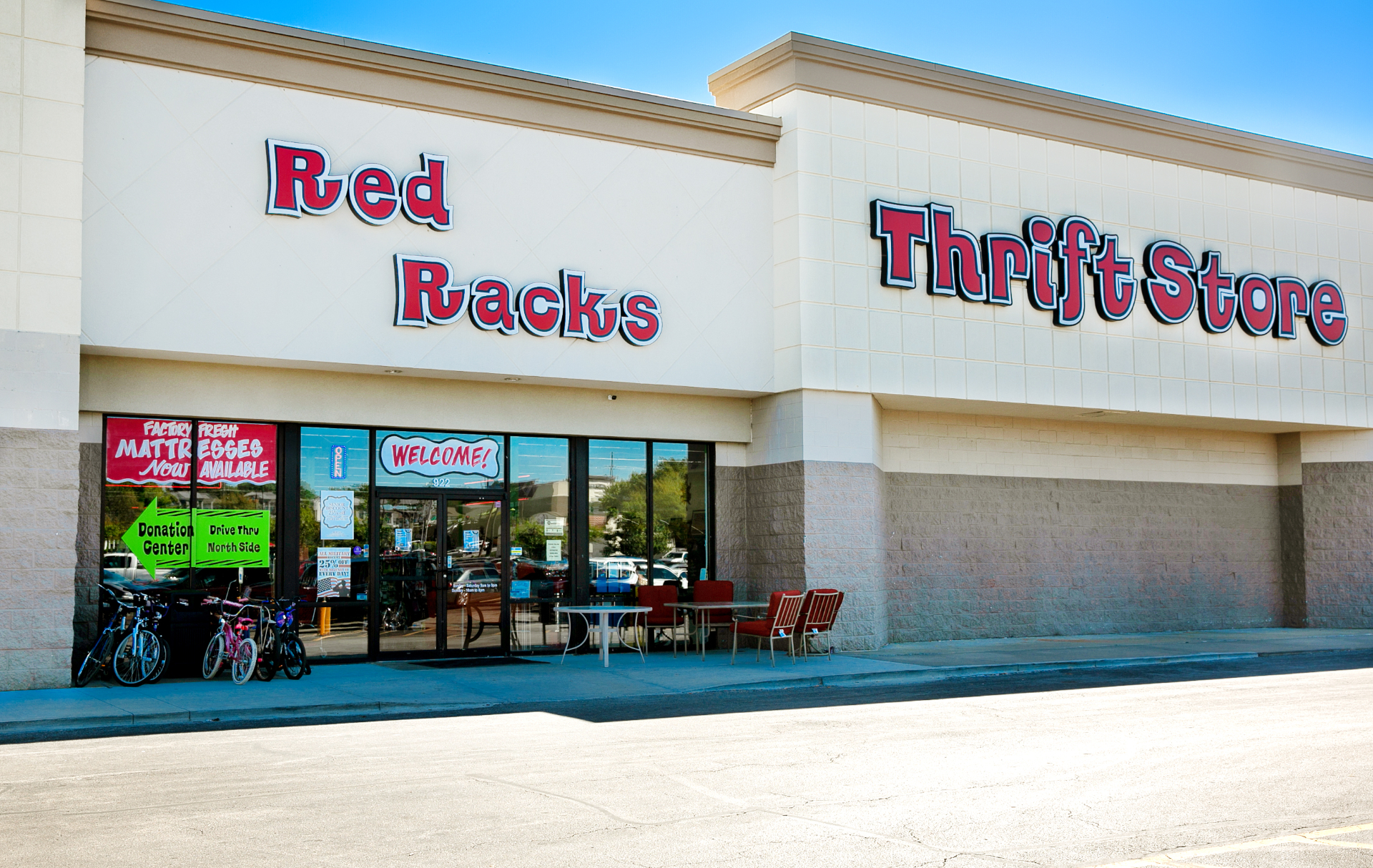
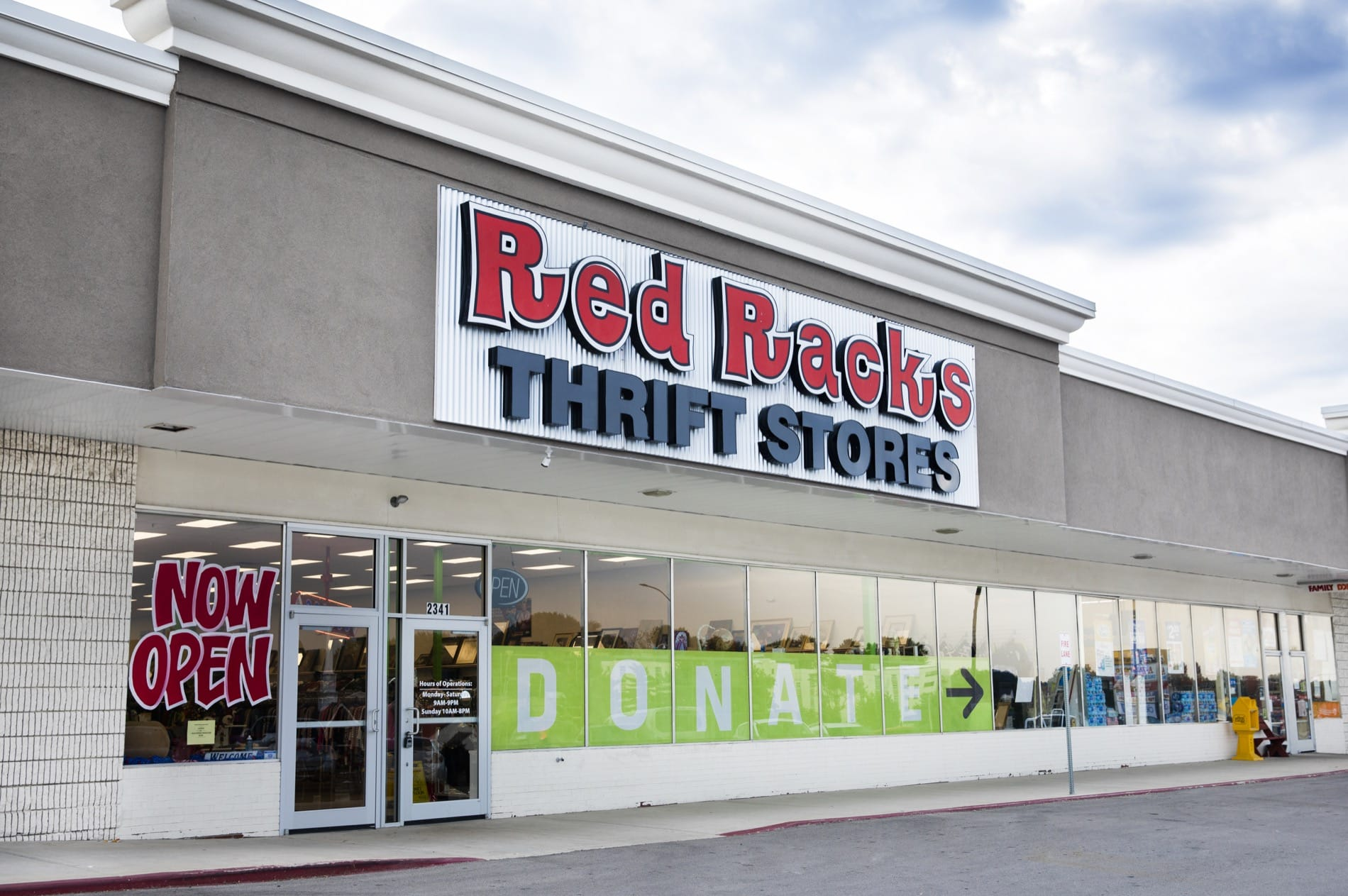
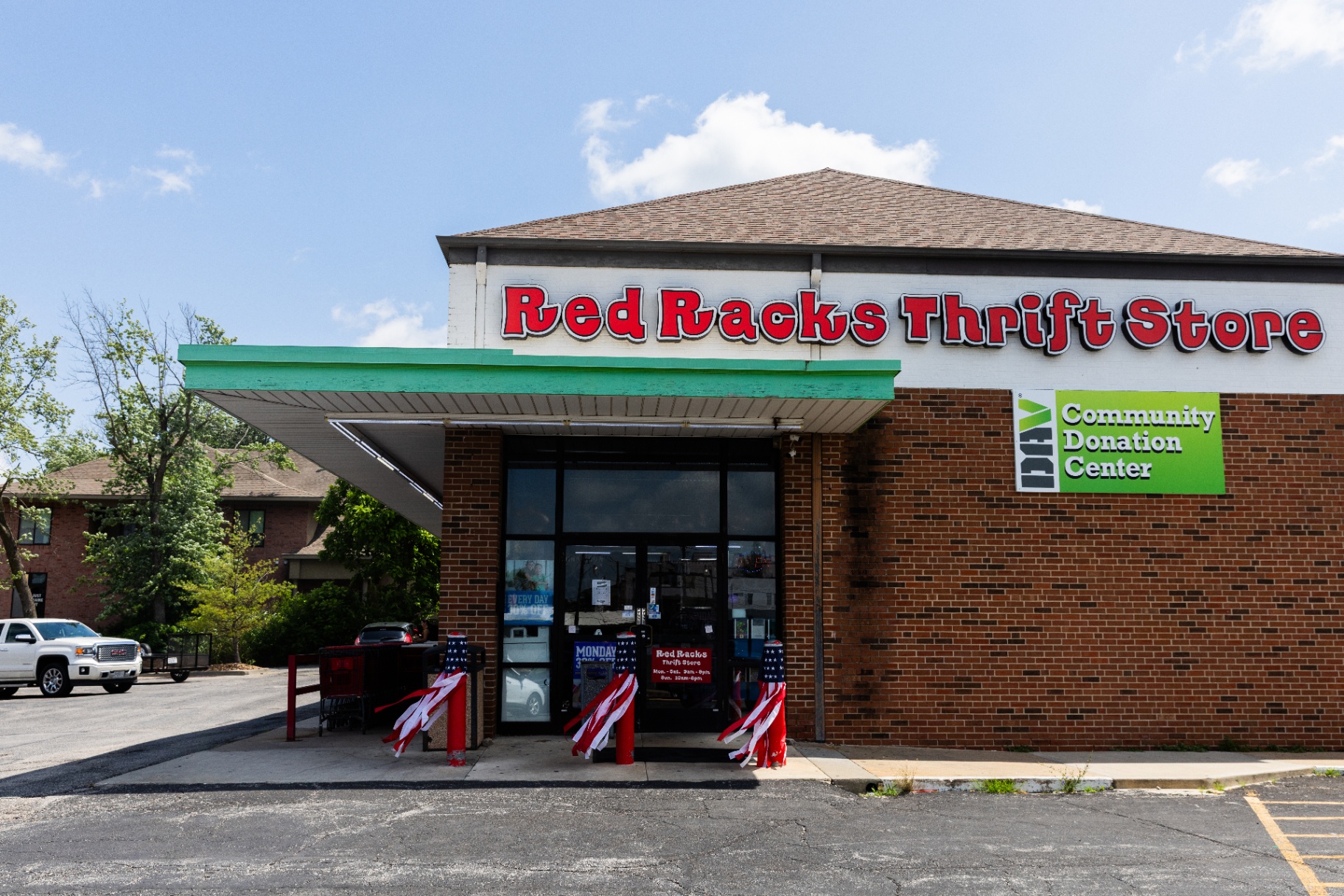
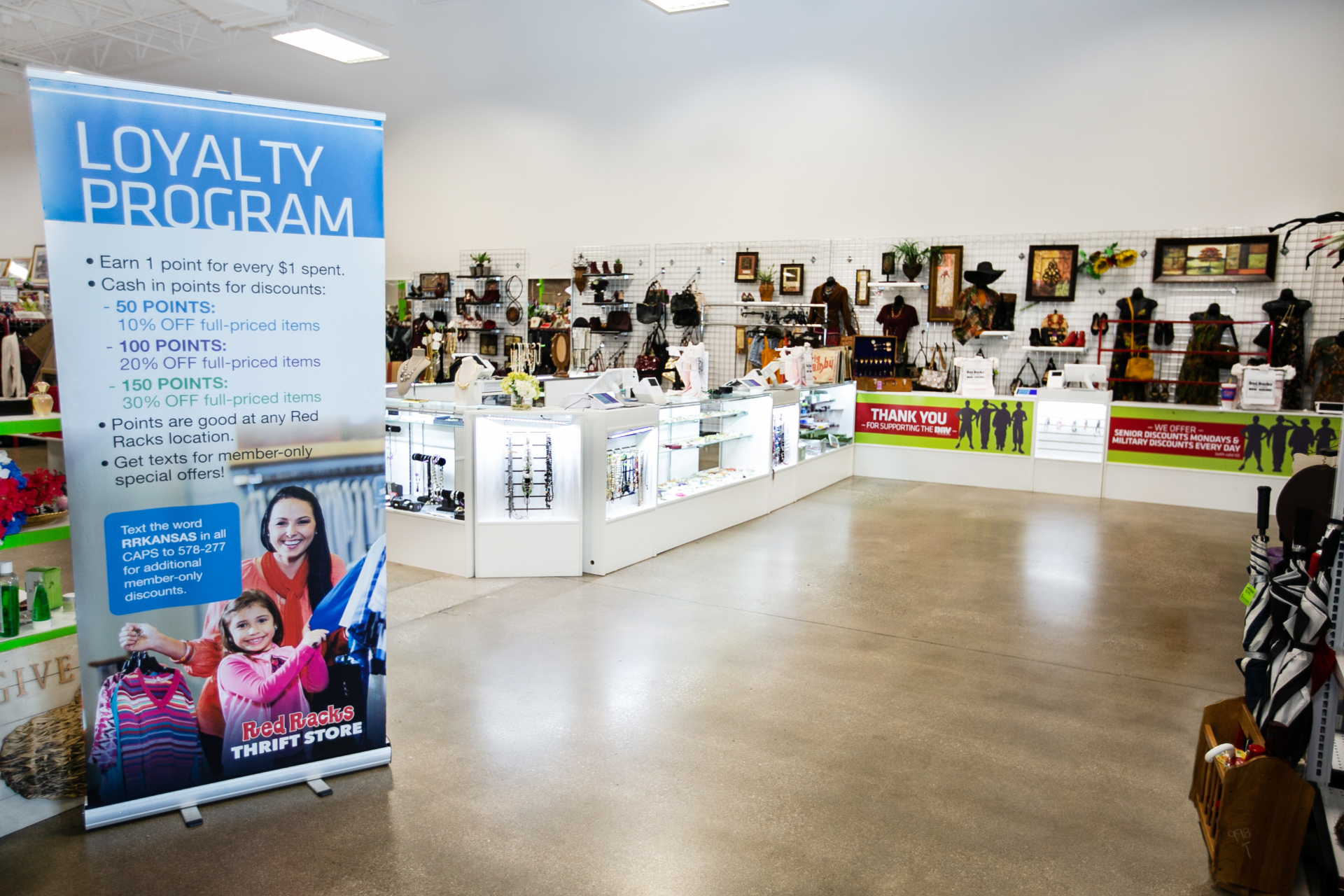
  • Thrift Store Finds: Affordable garments from places like Red Racks provide materials and support good causes.

Start small with simple tools, explore thrift stores for materials, and experiment with techniques like visible mending for functional and stylish results.


Tools for Measuring, Marking, and Cutting

Every successful upcycling project starts with accurate measurements and clean cuts. The right tools can make the difference between a polished result and a piece that looks unfinished. A handful of essential tools can give you the precision and control you need.

Measuring and Marking Tools

A flexible tape measure is a must-have. Unlike rigid rulers, it easily wraps around curves and contours, making it perfect for measuring body dimensions like bust, waist, and hips, as well as longer sections of fabric.

For flat surfaces, a clear 18-inch ruler is ideal. Its transparency allows you to see exactly where you’re marking and helps align pattern pieces with the fabric’s grainline. If you’re making repeated measurements – like for hems or button placements – a seam gauge (a 6-inch sliding ruler) ensures consistency.

When marking fabric, tailor’s chalk is a go-to option. At roughly $5.95 for an 8-pack, it’s affordable and easy to remove with heat or washing. For even finer detail, water-soluble marking pens can be wiped away with a damp cloth, while air-soluble pens fade naturally over time. Fashion designer and patternmaker Kiana Bonollo advises,

“I’d suggest using both straight and curved rulers in addition to the marking tool so you can really plan out those lines you’re creating”.

This advice is especially helpful for reshaping areas like necklines or armholes that need to follow the body’s natural curves.

And here’s a classic tip to keep in mind: measure twice before cutting. This simple habit can save you from costly mistakes, especially when working with thrifted or limited materials.

Once your measurements and markings are set, it’s time to move on to cutting with the right tools.

Cutting Tools

A good pair of fabric shears is essential. Unlike regular scissors, fabric shears have longer, sharper blades and offset handles that keep fabric flat as you cut. A quality pair costs around $10–$20 and will last if used exclusively on fabric. Cutting paper with them can dull the blades, leading to frayed or uneven edges.

For long, straight cuts – like cropping pants or trimming a maxi skirt – a rotary cutter is your best bet. Pair it with a self-healing cutting mat to protect your work surface and the cutter’s blade. Always lock the blade after each cut to avoid accidents. If you’re working with fabrics prone to fraying, pinking shears create a zigzag edge that helps prevent unraveling.

Don’t overlook the seam ripper – it’s one of the most underrated tools in your kit. Instead of cutting through garments and risking damage, this small, pointed tool lets you carefully remove stitches, buttonholes, or even mistakes. It’s especially useful when deconstructing thrifted pieces, as it preserves as much usable fabric as possible.

Tool Primary Use
Flexible Tape Measure Measuring body contours and longer, curved fabric pieces
Clear 18″ Ruler Laying out straight lines, aligning pattern pieces, and marking
Seam Gauge Taking consistent small measurements (e.g., hems, button placement)
Tailor’s Chalk Marking cut lines and alterations (approx. $5.95 for an 8-pack)
Fabric Shears Cutting fabric precisely without fraying edges
Rotary Cutter & Mat Making long, smooth, straight cuts and creating no-sew raw edges
Seam Ripper Carefully removing stitches during garment deconstruction

Stitching and Joining Tools

Once your fabric is prepped and ready, the next step is bringing it all together. Whether you’re sewing by hand or using a machine, having the right tools makes all the difference. They not only save time but also help you achieve cleaner, more durable results.

Hand-Sewing Tools and Notions

Start with assorted hand-sewing needles. For woven fabrics, sharp needles are your go-to, while ballpoint needles are ideal for knits. These needles glide between the fibers instead of piercing them, which helps prevent snags and runs. To save yourself from squinting and struggling, a needle threader is a handy addition.

When it comes to thread, all-purpose thread is versatile enough for most projects. If you want to avoid tangles and strengthen your thread, running it through beeswax is a simple trick. Leila Kelleher, Assistant Professor of Fashion Design and Social Justice at Parsons School of Design, highlights the value of hand-sewing:

“Some people actually hand-sew entire garments… and that’s amazing. I don’t have the patience to do that, but hand-sewing is honestly a really useful skill to have”.

For thicker fabrics like denim or multiple layers, a thimble protects your finger while you push the needle through. Make sure it fits snugly on the middle finger of your dominant hand. Pins are essential for holding fabric in place while you sew. Steel pins are durable, and ballpoint pins work best for knits. Keep them organized with a magnetic or wrist pincushion for easy access.

Another cost-saving tip: repurpose buttons, zippers, and fasteners from old clothes or thrifted items. These pre-worn pieces add character and save money. For stitching, the backstitch is your strongest option for construction, while the invisible stitch (also called slip stitch or ladder stitch) is perfect for discreetly closing linings or fixing seams.

While hand-sewing is great for intricate repairs, machine sewing tools can make larger projects faster and more efficient.

Machine Sewing Tools and Accessories

For more extensive garment transformations, machine sewing tools bring speed and precision to the table. They’re essential for creating strong, professional-looking seams that stand the test of time.

A sewing machine is your main workhorse for tackling everything from major alterations to durable seams. Fashion designer and patternmaker Kiana Bonollo advises:

“I would recommend either a Singer or a Brother machine… people should focus on finding a machine from a reputable brand, but not ‘spend crazy amounts on the machine before you even know how to use it'”.

You can find entry-level models from these brands for under $100. For quick fixes like sewing on buttons or hemming pants, a portable handheld machine is a convenient option.

When choosing needles, a universal needle (80/12) works for most fabrics. For knits or tightly woven materials, switch to stretch or sharp needles. Remember to replace your needle after about 8 hours of use to ensure smooth stitching.

If you’re working with stretchy or delicate thrifted fabrics, interfacing and stabilizers are lifesavers. These materials provide extra structure and help prevent distortion, making it easier to sew without puckering. Think of them as invisible reinforcements that give your upcycled creations a polished finish.


Pressing, Adhesive, and No-Sew Tools

Some sewing projects skip stitching altogether. With the right pressing techniques or adhesives, you can achieve clean edges and durable bonds that look polished and hold up to regular use.

Pressing Tools

After cutting and stitching your fabric, giving it a refined finish is crucial. Here’s where pressing comes in. Unlike ironing, which involves gliding the iron to remove wrinkles, pressing means holding the iron in place to set creases or shape the fabric. This technique is what gives your project that professional, polished appearance.

A good steam iron with adjustable heat settings is essential. Look for one with a large water reservoir and a spray feature, typically priced between $30 and $120. Sewing expert Mary Earle-Sigler emphasizes:

“Pressing as you sew is the key to a good-looking final project”.

For delicate fabrics, a press cloth is a must. It protects the fabric from direct heat and prevents adhesives from sticking to your iron. Materials like silk, organza, or cotton muslin work well. If you’re using fusible adhesives, keep a dedicated press cloth marked “This side up” to avoid mix-ups.

When working on curved areas like darts or sleeve caps, a tailor’s ham is invaluable. This firm cushion, with a cotton side for high heat and a wool side for lower temperatures, helps you shape fabric without flattening it.

Once pressing is complete, adhesives and no-sew methods can offer quick and effective ways to join fabrics.

Adhesive and No-Sew Options

Heat-activated adhesives like Stitch Witchery and HeatnBond are excellent alternatives to stitching. For example, HeatnBond Soft Stretch Ultra (17 in x 2 yds) costs about $7.89 and works well with knits, spandex, and jersey, bonding without adding stiffness. These adhesives are machine washable at 40°F and create nearly permanent bonds on most materials.

Before applying adhesives, always pre-wash your fabric to remove residues, avoiding fabric softeners. Start with an iron set at 110°F and gradually increase the temperature to 130–150°F. Apply firm, stationary pressure to melt the adhesive without scorching the fabric.

Iron-on patches and transfers are another great option, perfect for covering tears or adding decorative elements. For items that will see heavy use, reinforce edges with a small amount of stitching for extra durability. After ironing, let the fabric cool fully before handling it, and wait 24 hours before washing to ensure the adhesive sets properly.


Sourcing Materials from Thrifted Garments

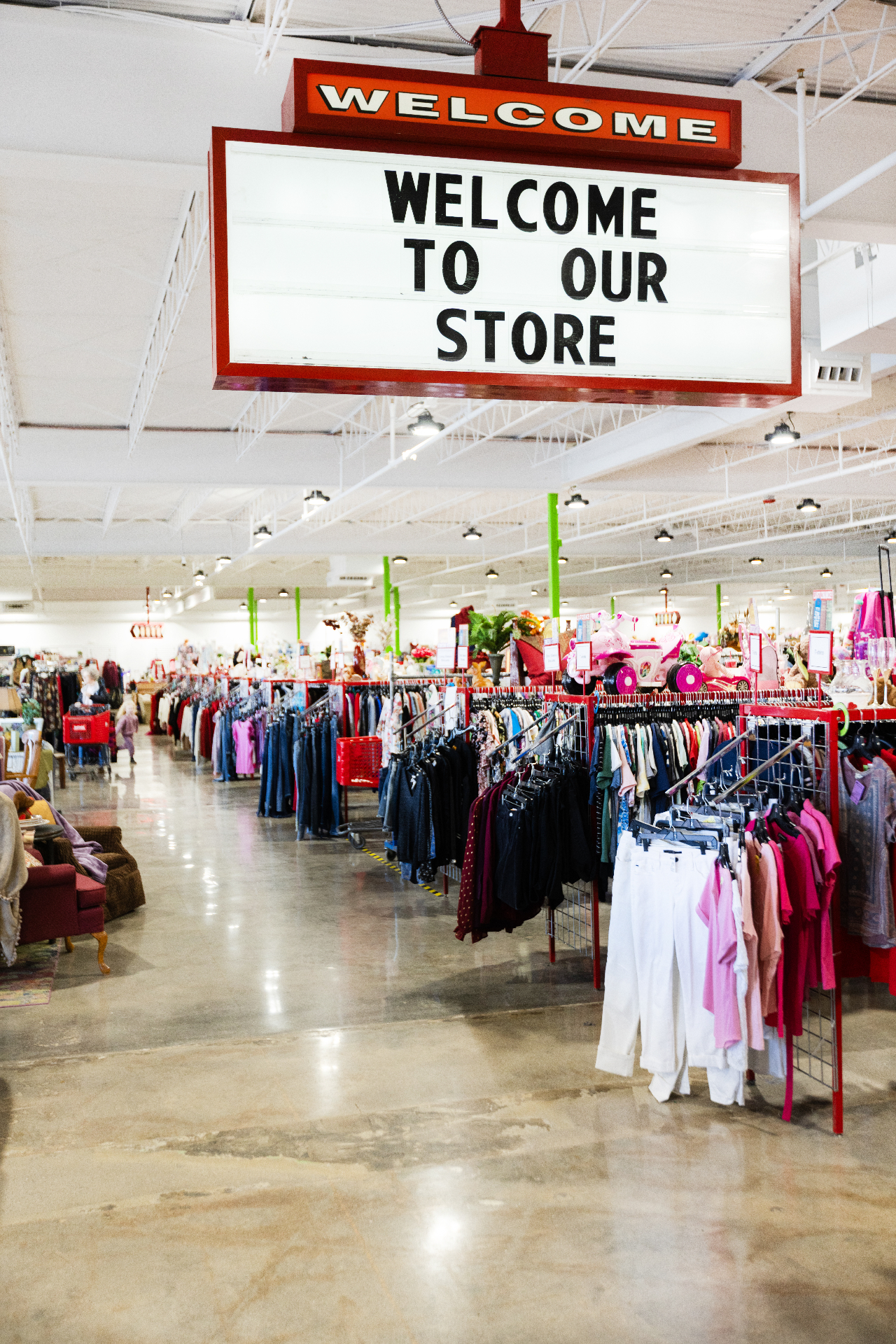
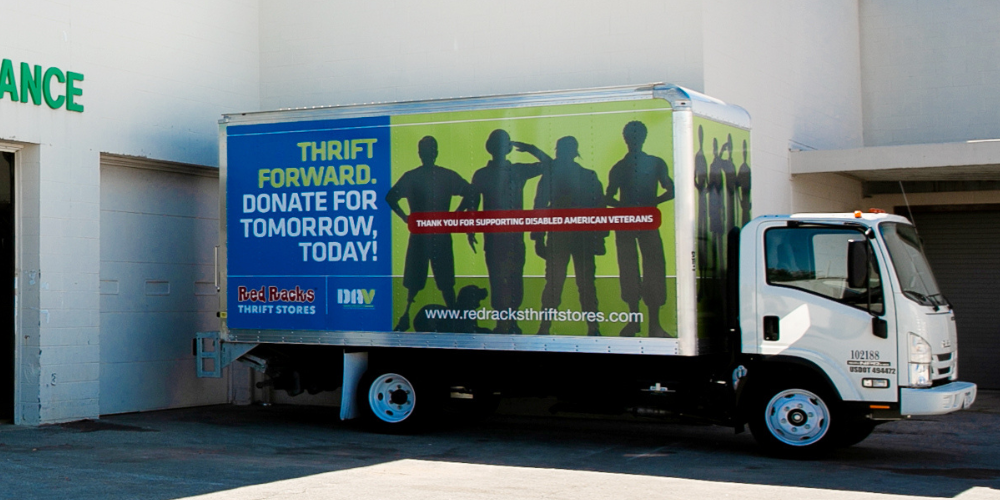
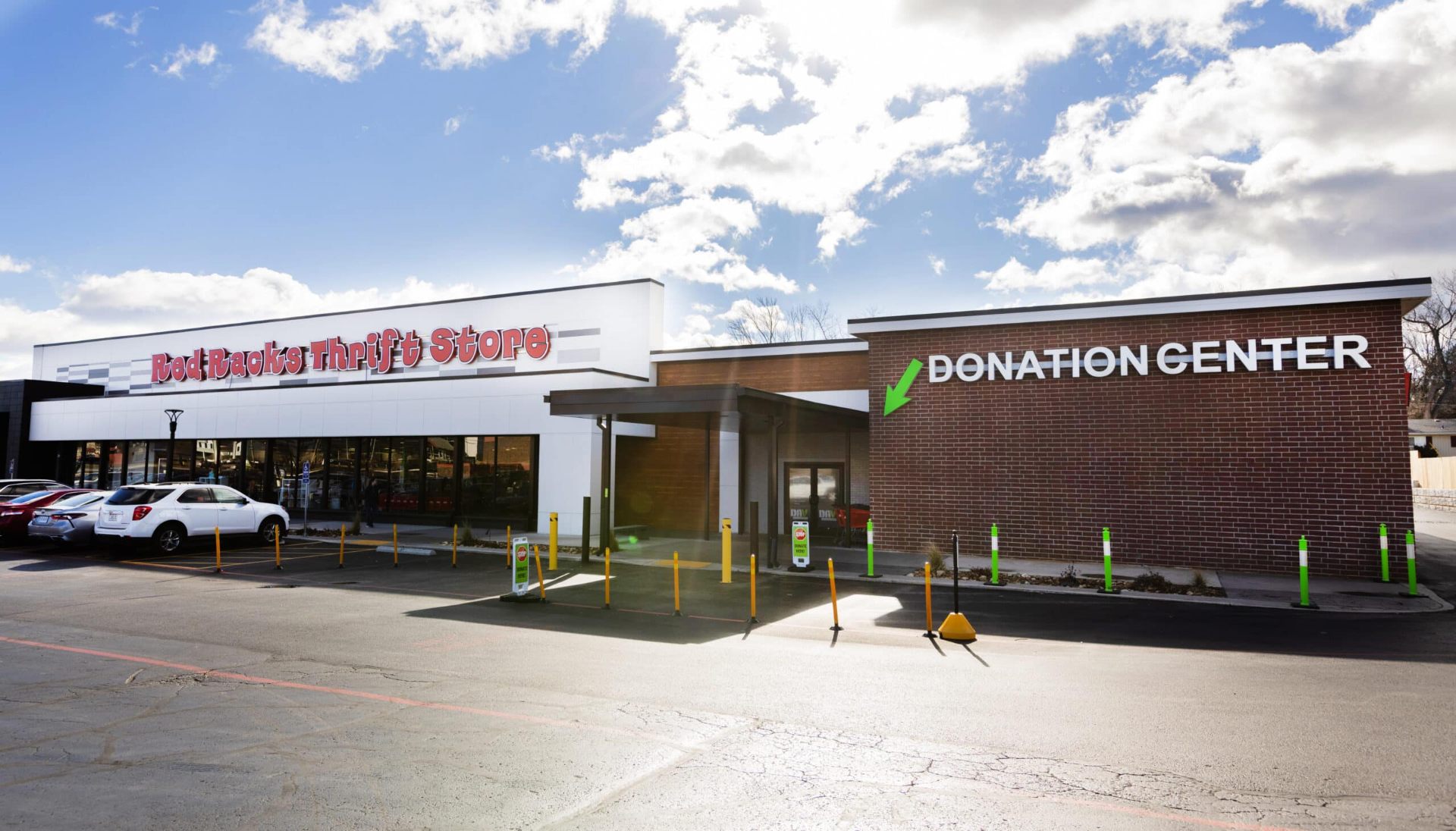
When it comes to upcycling, the materials you choose can make or break your project. Thrift stores are treasure troves for affordable fabrics, notions, and components. For example, Red Racks Thrift Stores in Missouri offer a wide selection of donated clothing. Plus, every purchase supports Disabled American Veterans, helping fund medical transportation and counseling for over a million veterans each year.

Choosing Base Materials

While browsing thrift racks, focus on the potential, not the current condition. A garment doesn’t need to look perfect to be a great source of material. Stains or tears? No problem – just assess the fabric areas that are still usable. However, steer clear of items that are heavily pilled unless you plan to repurpose them as stuffing. Pay attention to stitching weight and seam placement to determine how easily the item can be taken apart.

Before diving in with scissors, always check the label. Designer or vintage pieces might be worth more if sold intact. For everything else, stick to colors and textures you genuinely like. Don’t overlook the “last chance” racks at Red Racks – they often feature damaged items at ultra-low prices, perfect for collecting materials that might otherwise end up in a landfill. Thoughtful selection ensures you get the most out of each piece.

Harvesting Components

Once you’ve chosen your pieces, careful deconstruction is key to maximizing what you can use. For small details like buttons, labels, or trims, use sharp scissors to cut threads close to the edges. When working with larger fabric sections, switch to fabric scissors or a rotary cutter paired with a self-healing mat. This approach ensures clean, precise cuts.

Even the smallest scraps can find a second life. Use them for zero-waste projects like cleaning rags, gift wrapping, or appliqués. Don’t limit yourself to clothing – belts, vintage jewelry, and other accessories can be taken apart for closures, strings, or embellishments. With around 80% of discarded textiles still in excellent condition, thoughtful harvesting can turn forgotten items into high-quality materials for your next project.


Conclusion and Next Steps

Getting started with upcycling doesn’t require a fancy setup – just a few essentials like fabric scissors, tailor’s chalk, a seam ripper, and some thread are enough to kick things off. If a full-sized sewing machine feels like too big an investment right now, check out thrift stores for used models that are often budget-friendly. To ease into the process, try simple, no-sew techniques like fabric glue or iron-on patches. These methods can help you build confidence before diving into more complex projects.

When it comes to materials, thrift stores like Red Racks are a goldmine. Not only do they offer affordable, donated clothing perfect for upcycling, but every purchase also supports Disabled American Veterans by funding essential community services.

Once you’ve got the basics down, try experimenting with techniques like visible mending. This approach uses colorful embroidery or patches to transform garment flaws into eye-catching, decorative details. As your skills grow, focus on refining the finishing touches to give your creations a polished look.

Upcycling is a win-win: it helps reduce waste while giving you the chance to create truly personal, one-of-a-kind items. Start with what you already have, embrace experimentation, and let your skills develop naturally over time.


FAQs

What basic tools do I need to start upcycling clothing?

Starting your upcycling journey doesn’t have to break the bank – just a handful of basic tools will get you going. A sewing machine is fantastic for efficient and versatile stitching, but if you’re not ready to invest in one, no worries! A sharp pair of fabric scissors, some hand-sewing needles, and thread in different colors can handle most tasks. These essentials allow you to cut, sew, and finish your projects by hand.

Other helpful tools include a flexible measuring tape (marked in inches), fabric chalk or a washable marker for marking adjustments, and pins or a pin cushion to keep fabric steady while you work. Don’t forget a seam ripper – it’s a lifesaver for fixing mistakes or undoing old stitches.

If you’re looking to save even more, check out thrift stores like Red Racks Thrift Stores. Not only can you find affordable tools and materials there, but you’ll also be supporting a veteran-owned business while building your upcycling toolkit.

What’s the best way to find materials for upcycling at thrift stores?

To find materials for upcycling, start by exploring your local Red Racks Thrift Stores. With locations throughout Missouri, these stores offer a treasure trove of donated items like clothing, accessories, and fabric – perfect for your creative projects.

Look for materials that are flexible and easy to work with, such as denim, cotton, or vintage garments. These can be transformed into anything from quilts to wearable art or even home décor. Pay close attention to the condition of the items you pick – sturdy seams, functional zippers, and minimal stains are ideal. While minor imperfections can often be fixed, steer clear of pieces with severe damage.

Since inventory rotates daily, it’s worth visiting often and at different times to discover fresh finds. Building a rapport with the store staff can also be a game-changer – they might tip you off when bulk fabric or unique items become available. Once you’ve gathered your materials, take the time to clean and prep them so they’re ready to bring your upcycling ideas to life.

What are some easy no-sew methods for upcycling clothes?

No-sew upcycling is an easy and creative way to breathe new life into old clothes – no sewing machine required! With just a few basic tools like scissors, fabric glue, or a hot-glue gun, you can craft stylish, personalized pieces while cutting down on waste. Shopping at Red Racks Thrift Stores is a great starting point for these projects, offering affordable fabrics and accessories to fuel your imagination.

Here are a few simple techniques to get you started:

  • Fabric glue for assembly and decoration: Use fabric glue to make items like clutches or totes by folding and securing fabric edges. It’s also perfect for adding trims, patches, or lace to give your projects a decorative flair.
  • Cut-and-fold transformations: Turn oversized t-shirts into trendy cropped tanks or reshape sweaters into cozy ponchos. Just cut, fold, and secure the edges with fabric tape or glue – no sewing needed!
  • Repurposing hardware: Save zippers, buttons, or snaps from old clothing and attach them to your new creations for added functionality or style.

With a little creativity and a few supplies, you can dive into upcycling and turn thrifted treasures into one-of-a-kind pieces that reflect your personal style!

  • Practical steps to evaluate thrift store finds: check materials, construction, condition, labels, and resale value to score durable clothing and furniture.

    Continue reading
  • Thrift store sales are a vital funding source for meal programs, turning donations into meals and supporting local communities in need.

    Continue reading
  • Explore how minimalism and thrifting reduce waste, support communities, and promote sustainable living through intentional consumer choices.

    Continue reading
  • Practical steps to evaluate thrift store finds: check materials, construction, condition, labels, and resale value to score durable clothing and furniture.

    Continue reading
  • Thrift store sales are a vital funding source for meal programs, turning donations into meals and supporting local communities in need.

    Continue reading