Sustainable Fashion: Make a Difference with Every Choice
In a world where fast fashion dominates, making mindful clothing decisions can have a powerful effect on the environment. By opting for eco-friendly materials or thrifting, you’re not just refreshing your wardrobe—you’re helping reduce pollution, conserve resources, and combat climate change. Tools like our eco-style calculator can reveal the tangible benefits of these habits, showing how small shifts lead to big wins for the planet.
Why Your Wardrobe Matters
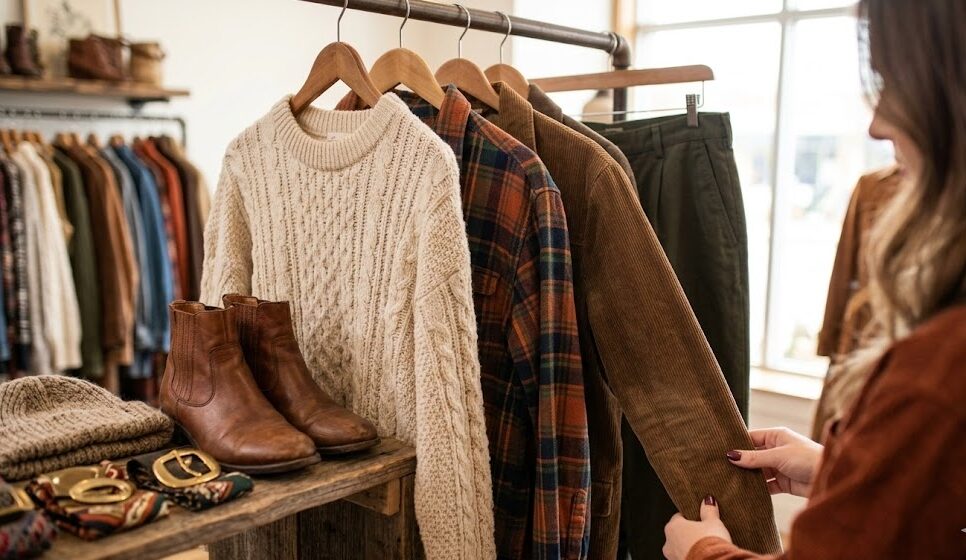
The fashion industry is one of the largest polluters globally, guzzling water and spewing greenhouse gases at alarming rates. Choosing greener alternatives, such as garments made from recycled fibers, cuts down on these harms significantly. Even better, embracing pre-loved pieces keeps textiles circulating longer, shrinking the mountain of waste piling up in landfills. Imagine the gallons of water saved or emissions avoided with every thoughtful purchase.
Start Small, Impact Big
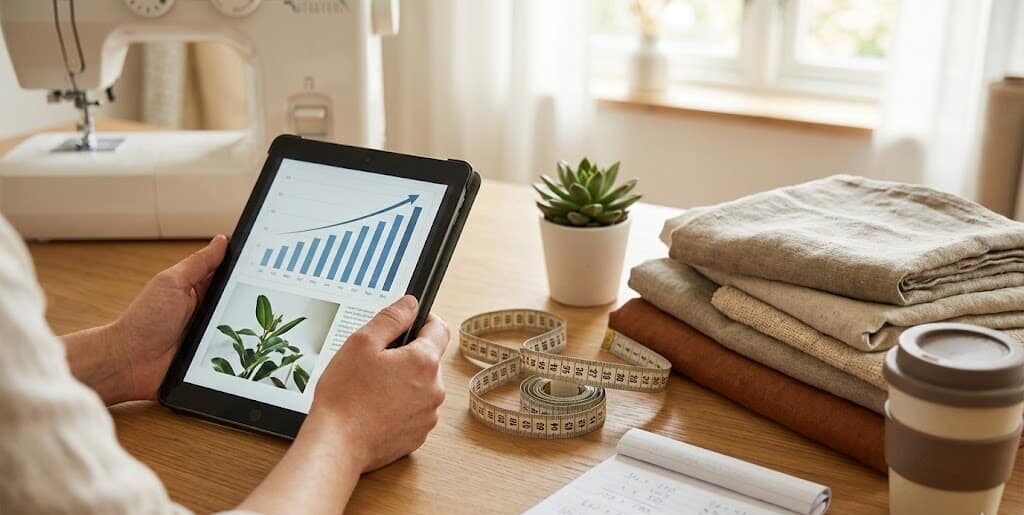
You don’t need to overhaul your closet overnight. Start by tracking your habits with a sustainable fashion impact tool to see where you stand. Every step toward ethical style counts, and together, we can reshape how the world views fashion—one outfit at a time.
FAQs
How does sustainable fashion reduce my carbon footprint?
Great question! Sustainable fashion often uses materials like organic cotton or recycled fabrics that require less energy to produce compared to fast fashion’s synthetic blends. Plus, ethical brands tend to prioritize renewable energy and shorter supply chains, cutting down on emissions. Our calculator uses industry averages to estimate how much CO2 you save by making these choices over conventional clothing.
Why does second-hand shopping matter so much?
Shopping second-hand is a game-changer! It keeps clothes out of landfills and reduces the demand for new production, which is a huge driver of pollution and resource use in the fashion industry. When you buy pre-loved items, you’re directly lowering waste and water usage. Our tool highlights these savings based on how often you thrift.
Are the impact numbers in the calculator accurate?
We’ve based our estimates on widely accepted industry data comparing sustainable and fast fashion impacts. Things like water usage for cotton or CO2 from polyester production come from credible studies. That said, every brand and item varies a bit, so think of these numbers as a helpful guide rather than exact figures. The goal is to educate and inspire better choices!