Thrift shopping can save money, reduce waste, and uncover special finds, but common mistakes can ruin the experience. Here are the top 10 pitfalls to avoid:
- Shopping for something urgent: Inventory changes daily, so it’s best to thrift without time pressure.
- Visiting at the wrong times: Mondays and Tuesdays, especially in the morning, are ideal for fresh stock.
- Rushing through the store: Take your time to inspect items for quality and hidden gems.
- Shopping without a plan: A clear list of needs versus wants prevents impulse buys and clutter.
- Not researching prices: Use tools like eBay or Google Lens to ensure fair pricing.
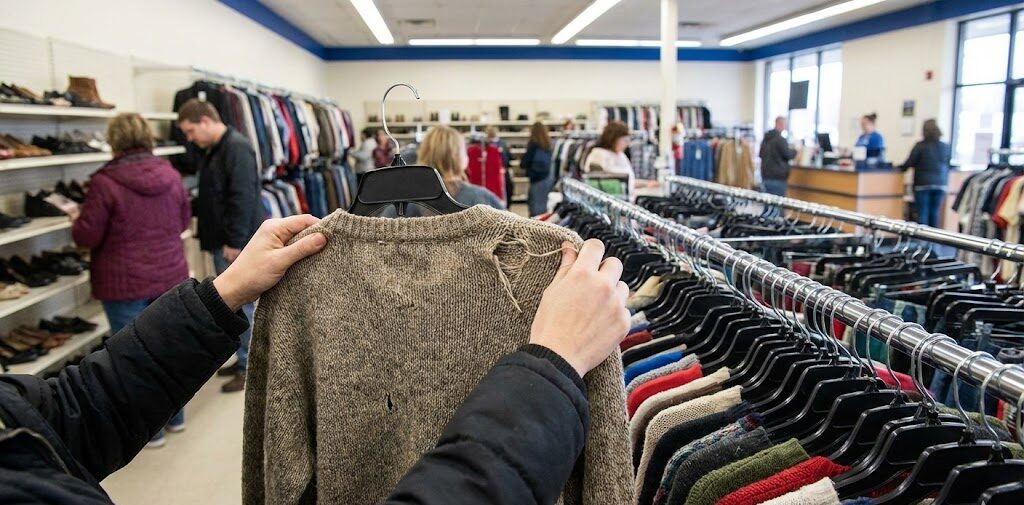
- Buying items needing repairs: Factor in the cost and effort of fixing damaged goods.
- Overspending on cheap items: Low prices add up quickly – stick to a budget.
- Overbuying: Avoid clutter by only purchasing items you’ll use or love.
- Skipping the fitting room: Sizes vary widely, especially with vintage items – try before you buy.
- Only shopping for clothes: Explore home goods, books, and furniture for hidden treasures.
Pro tip: Engage with staff about restocking schedules, follow stores on social media, and shop intentionally to make the most of your thrift trips.
1. Shopping for Something You Need Right Away
Heading to a thrift store in search of a specific black blazer for tomorrow’s job interview? That can often lead to frustration. Thrift stores operate entirely on donations, meaning their inventory changes daily. One day, racks might be packed with winter coats; the next, they could be nearly empty. This ever-changing stock is part of what defines the thrifting experience.
“Instead of ordering products from vendors, you rely on donations – which means you’re constantly working with a mix of items in various conditions, ages, and quantities.” – Clinton Brady, Author
Because of this unpredictability, thrifting can feel like a game of chance. Jillian Owens, founder of Refashionista, shares,
“There are weeks when I find nothing I want, but I keep going, and that’s why amazing finds appear.”
The trick is to make thrifting a regular habit rather than relying on it for last-minute needs.
One way to make the most of thrift shopping is to keep a running list of items you’re casually hunting for – maybe a crisp white button-down shirt or vintage picture frames. Browsing during off-seasons can also lead to surprising treasures. As Caitlin Trantham points out,
“I have found so many gorgeous vintage coats and big-name brand boots in the summer.”
For those moments when you need something urgently, traditional retail stores are likely your best bet. Save thrift shopping for when you have the time to enjoy the hunt and discover hidden gems.
2. Visiting at the Wrong Times
When it comes to thrift shopping, timing is everything. Showing up at the wrong moment – like a crowded Saturday afternoon – can leave you sifting through picked-over shelves. On the other hand, visiting at the right time could mean scoring incredible finds before anyone else.
Mondays and Tuesdays are your best bet. Why? Most donations come in over the weekend, but they don’t hit the shelves instantly. According to Mental Floss, there’s typically a 24-to-48-hour delay between when items are dropped off and when they’re stocked. As they put it,
“For your best chance to spot treasures, Goodwill recommends shopping early in the day on Mondays and Tuesdays”.
If you’re serious about getting first dibs, aim to be there right when the store opens. Furniture flipper Christina (@flipdaddie on TikTok) showcased this strategy in action back in November 2024. By arriving early on a Monday morning, she snagged a wooden dresser in great condition for $30, two matching wood nightstands for $35 each, and a cherry wine rack for $100 – all before most shoppers even got through the door.
Weekends, on the other hand, are a challenge. Stores are often packed with shoppers, and staff are usually too busy managing checkout lines to restock shelves. Treena Bowker, owner of House of Joie, sums it up perfectly:
“Weekends have proven time and time again to be a flop for me. The stores are bopping with customers and the shelves aren’t as full.”
If you want to take your timing game to the next level, ask the staff about their restock schedule. Jillian Owens, founder of Refashionista, encourages shoppers to strike up a conversation:
“Don’t be shy about chatting with the staff at your favorite thrift store. I’ve found they love disclosing any hints as to the best thrifting times and upcoming sales to regulars.”
Following your local store on social media is another great strategy. Many stores post updates about major donation drops or sales. You can also keep an eye out for rolling racks or blue bins being wheeled onto the floor – these usually signal fresh, unpicked items. At places like Red Racks Thrift Stores, staff are often happy to share insider tips on when new donations hit the shelves, giving you an extra edge in the hunt for hidden gems.
3. Rushing Through the Store
Thrift shopping isn’t something you can breeze through. If you’re rushing, chances are you’ll walk out empty-handed. As Honestly Modern puts it:
“A rushed trip almost guarantees an empty-handed departure.”
Take that vintage Pyrex bowl, for example. It might be sitting on a crowded shelf for just $3, but to collectors, its value could exceed $100 – if you know the pattern to look for. Or those designer bags, like ones from Coach or Dooney & Bourke, sometimes priced under $20. With a little patience to check labels and details, you might discover a piece worth $500 or more.
When you rush, you’re more likely to skip essential quality checks. That $24.99 chair might seem like a steal until you realize it’ll cost a fortune to repair. Take your time. Use your phone’s flashlight to inspect dark corners, check the interiors of bags for damage, and run your fingers along seams – especially on delicate fabrics like silk or cashmere.
Don’t overlook the racks near dressing rooms, as they often hold items others decided against. And if you see staff rolling out freshly stocked racks, head there immediately for first dibs. Also, if something catches your eye, grab it right away – hesitation can cost you.
Jillian Owens, founder of Refashionista, emphasizes the importance of persistence:
“Thrifting is a numbers game. There are weeks where I find absolutely nothing I want, but I keep going, and that’s why I keep finding amazing things.”
Patience pays off. Giving yourself enough time to explore every section – whether it’s clothing, home goods, or accessories – can make all the difference. At Red Racks Thrift Stores, a thorough search across all aisles can turn an ordinary trip into a treasure hunt with incredible rewards.
4. Shopping Without a Plan
Walking into a thrift store without a game plan can quickly lead to frustration. Asia Marquis, founder of Thrift Sistas Club, sums it up perfectly:
“Without a focus, you might walk into a thrift store and think, ‘It’s just too much.’ If that happens, you might throw in the towel and leave with nothing.”
Thrift stores can be overwhelming, with racks overflowing with clothes and shelves packed with home goods. This sensory overload often leads to decision fatigue, making it harder to find what you actually need. Interior designer Anaïs Chaumien highlights the importance of staying focused:
“Stick to a list of essential items to avoid accumulating unwanted clutter.”
To avoid feeling lost or overbuying, come prepared. Before heading to Red Racks Thrift Stores, jot down a “Needs vs. Wants” list. For example, your “Needs” might include wardrobe staples like a black tank top or practical items like a bookshelf. On the other hand, your “Wants” could feature dream finds like a vintage leather jacket or mid-century home decor. Keep your list manageable – 3 to 5 items is ideal – and save your body and home measurements on your phone for quick reference.
Another smart strategy? Set aside a “discovery budget.” Dedicate about 20% of your shopping funds to unexpected treasures you might stumble upon. This way, you can indulge in a surprise find without blowing your budget. Intentional thrift shoppers can save up to $150 per month by sticking to this kind of disciplined approach.
Celebrity stylist Kirsty Stewart offers one final piece of advice:
“Buy it because you love it, not because you love the price.”
If you wouldn’t pay full price for an item, it’s probably not worth adding to your cart – no matter how tempting the deal might seem.
5. Not Researching Item Prices
Just because an item is sitting on a thrift store shelf doesn’t mean it’s automatically a bargain. Thrift store employees aren’t experts in every category, so prices can sometimes be way off – either too high or surprisingly low. Without doing a little digging, you might end up overpaying for a fast-fashion piece worth just a few bucks or completely miss a vintage gem that could fetch hundreds. Doing some quick research ensures you’re paying a fair price for items that are actually worth it.
To avoid overpaying, put your smartphone to work. Apps like eBay and Google Lens can help you check the market value of an item in seconds. These tools show you “sold” listings, which reflect real sale prices rather than inflated asking prices. As Curio.app explains:
“Use your smartphone as your personal appraiser. Apps like eBay and Google Lens let you quickly check the ‘sold’ listings for an item to see its real-world market value before you buy.”
For example, a $10 H&M blouse might be overpriced – some experts suggest spending no more than $4 on fast-fashion brands. Caitlin Trantham, a thrifting expert, puts it this way:
“I can’t justify paying $10 for an item from a fast-fashion brand… I could get a vintage or one-of-a-kind piece for the same price.”
Don’t forget to consider hidden costs. That $24.99 chair might seem like a steal until you realize reupholstering it could push the total cost to nearly $500. Similarly, when buying electronics or baby gear, always check the U.S. Consumer Product Safety Commission (CPSC) website to ensure the item hasn’t been recalled.
Taking a few moments to research prices can save you from buyer’s remorse and help you spot genuine deals. Red Racks Thrift Stores, for instance, emphasize the value of this approach – it’s a simple step that can mean the difference between a smart buy and a costly mistake.
6. Buying Too Many Items That Need Repairs
Finding a great deal can be thrilling, but repair costs can quickly turn a bargain into a financial headache. That $24.99 chair you snagged? It might end up costing nearly $500 after repairs. The price tag is just the beginning – you also need to factor in the cost of materials, labor, and the time you’ll spend on the project. Virginia Chamlee, author of Big Thrift Energy, breaks it down perfectly:
“I always try to view an item’s cost this way: How long did you spend finding it? How far did you drive to get it? What did you pay for it? … Often, even ‘cheap’ finds can wind up being quite costly.”
The type of damage on an item plays a big role in deciding if repairs are worth it. Simple fixes like seam repairs are manageable, but damage to the main fabric can be a much bigger issue. Caitlin Trantham, a seamstress and thrifting expert, explains:
“Holes in seams can be easily repaired, but a hole in the main fabric could be a challenge.”
Material quality also matters. Natural fibers like silk and leather are worth repairing because they’re durable and long-lasting. On the other hand, synthetic fabrics like polyester and nylon tend to break down over time, making repairs a short-term solution. And don’t forget the “sniff test” – items with smoke or pet odors can be expensive to clean. Always inspect furniture for signs of pests, especially in crevices and behind artwork, and double-check electronics or baby gear against the U.S. Consumer Product Safety Commission’s recall list.
Finally, be realistic about your skills and schedule. If you don’t have a clear plan or the necessary expertise, that fixer-upper might just end up collecting dust. At Red Racks Thrift Stores, inventory changes constantly, so carefully evaluate whether a repair project aligns with your abilities and time before committing to a purchase.
7. Spending Too Much on Low-Priced Items
Overspending on inexpensive items might seem harmless, but it can quickly become a hidden problem. Those little purchases add up before you know it. Patrice J. Williams, a thrifting expert and author, highlights how seemingly affordable prices can lead to unexpectedly high totals at checkout.
The real issue isn’t the price of each item – it’s the illusion of value these low prices create. A $2.99 item might seem like a steal, but if it ends up unused, it’s just wasted money.
“Buy it because you love it, not because you love the price.” – Celebrity stylist Kirsty Stewart
To avoid falling into this trap, try the “Full Price” test. Before you toss something into your cart, ask yourself: Would I still buy this if it were full retail price? If the answer is no, it’s probably not a bargain worth taking home.
Another strategy? Set a tight budget before you shop. Bring only cash to keep yourself accountable and avoid overspending. It also helps to keep a running list of items you genuinely need for your home or wardrobe. This way, you’ll stay focused and less likely to be tempted by deals that could just add to the clutter.
Stores like Red Racks Thrift Stores, with their ever-changing inventory and low prices, make it easy to get caught up in the thrill of the hunt. But remember, the average thrift shopper saves about $1,760 a year by choosing secondhand – as long as those purchases replace items you’d have bought new, not just extras you don’t need. Stick to your budget and focus on what you truly need to keep your savings intact and your space clutter-free.
8. Overbuying Because Everything Seems Cheap
Low prices can be a slippery slope when shopping. When items are priced at $5 or $10, it’s tempting to grab things just because they’re affordable – not because you actually need them. Experts call this the “itchy trigger finger”, and it can quickly lead to unnecessary purchases that pile up into clutter.
Interior designer Anaïs Chaumien sees this all the time:
“The number one mistake is buying way too many things. You see something that looks good, that is a great deal, so you think you have to bring it home”
The problem? Those “great deals” can overcrowd your space and often end up back in the donation bin. Beyond creating clutter, overbuying eats into your savings and encourages wasteful spending patterns. Virginia Chamlee, author of Big Thrift Energy, puts it plainly:
“I also think in general it’s easy to want to buy a lot of stuff because the prices are more affordable. But that fuels unsustainable consumer habits”
You might even find yourself trading a fast-fashion addiction for a thrifting addiction, which doesn’t solve the root problem.
To shop smarter, try keeping a digital list of items you actually need. Before you add anything to your cart, ask yourself: Will I truly use this? If the answer isn’t a confident yes, leave it behind. As Take Charge America advises:
“Just because something is cheap doesn’t mean it’s a bargain. Unless you know for certain you will use or wear something, leave it for the next lucky treasure hunter”
Another helpful method is the “one-in, one-out” rule: for every thrifted item you bring home, donate something you already own. This keeps your space under control and forces you to think carefully about each purchase. At places like Red Racks Thrift Stores, where the inventory changes constantly, these strategies are key to avoiding impulse buys. Shopping with intention, rather than impulse, is the best way to keep your spending and your space in check.
9. Skipping the Fitting Room
Sure, skipping the fitting room might save you a few minutes, but it could end up costing you more in the long run. Sizes at thrift stores are all over the place – what works for one brand might not even come close for another, especially when it comes to vintage clothing. Thrift expert and author Patrice J. Williams points out the challenges of vintage sizing:
“Sizing over the decades has drastically changed. So before you’re quick to write something off, give it a second look because you might be able to make it work”.
This inconsistency in sizing is why trying clothes on is so crucial. The stats speak for themselves: 67% of shoppers who use fitting rooms end up buying something, compared to just 10% of those who don’t. And it’s not just about the size on the tag – previous owners might have altered the garment or accidentally shrunk it during washing [43, 7]. To avoid surprises, move around in the item – sit, squat, and check that it fits comfortably and securely.
If the store doesn’t offer fitting rooms or access is limited, plan ahead. Wear snug clothing like leggings and a tank top, so you can easily try items on over them in the aisle. Jessica Watts from ShopGoodwill offers this tip:
“Wearing comfortable clothes you can easily slip items over (think leggings and a fitted top) makes trying on clothes a breeze, especially in stores with limited fitting room access”.
Another quick trick? Use the “neck trick” for pants: wrap the buttoned waistband around your neck. If the ends meet with about an inch of overlap, chances are the waist will fit.
Lastly, remember that many thrift stores, like Red Racks Thrift Stores, have “all sales final” policies. Trying items on is your best defense against spending money on clothes you can’t actually wear [43, 7]. And don’t judge a piece too quickly – something that looks shapeless on the hanger might come to life with a belt or the perfect pair of shoes you find in the store.
10. Only Shopping in the Clothing Section
If you’re only browsing the clothing racks, you’re skipping over some of the best finds thrift stores have to offer. Sure, the apparel section might draw the biggest crowds, but don’t overlook the quieter corners like home goods, books, and media. These areas often hold hidden gems waiting to be discovered.
The home decor section, in particular, is a goldmine. Imagine scoring vintage Pyrex bowls for just $3 that could be worth over $100, or snagging mid-century modern furniture for around $25. You can also find charming pieces like serving trays, candle holders, unique vases, and antique egg cups that are perfect for repurposing. Jess Harrell, founder of The Styled Domicile, shares a creative tip:
“A beautiful vintage vase can live its second life as a vessel for cooking utensils next to the range, while an antique egg cup is the perfect size for a jewelry catchall next to the bed.”
Don’t skip the books and media section either. You might stumble upon first-edition novels, stunning coffee table books, or even vintage vinyl records. For those shopping at Red Racks Thrift Stores, you’ll find even more to explore, with dedicated areas for home goods, toys, and household items – all supporting their mission to assist Disabled American Veterans.
A few practical tips: bring a tape measure to ensure furniture will fit in your space, as most thrift stores don’t allow returns. And when it comes to textiles or upholstered furniture, give them a sniff test – removing odors like cigarette smoke can be a challenge.
Conclusion
Thrift shopping can be both enjoyable and rewarding. By steering clear of common pitfalls, you’ll not only save money but also discover quality finds that truly bring value to your life. Approach each trip with a plan, inspect items carefully, and shop with intention. As celebrity stylist Kirsty Stewart wisely says:
“Buy it because you love it, not because you love the price.”
Thrifting isn’t about grabbing every bargain in sight. It’s about asking yourself whether that $5 shirt or $25 chair is truly worth it – especially when factoring in extra costs like professional cleaning or upholstery. Thoughtful decisions like these help you avoid buyer’s remorse and keep your home clutter-free, setting you up for a more focused and satisfying shopping experience.
Beyond the savings, thrift shopping has a ripple effect. Stores like Red Racks Thrift Stores not only offer unique finds but also support local initiatives, such as services for Disabled American Veterans. Plus, they create jobs with real benefits and opportunities for growth. Every purchase strengthens your community while giving new life to pre-loved items.
Don’t limit yourself to just the clothing racks – hidden gems like vintage Pyrex, first-edition books, and mid-century furniture are often tucked away in overlooked sections. Equip yourself with tools like a measuring tape, wear comfortable clothes for quick try-ons, and keep a list of items you truly need on your phone. As Carolyn Becker, Senior Manager of Community Engagement at Goodwill of Greater Washington, explains:
“I tell those new to thrifting that it gets much easier with time and when you develop that thrift muscle, you can search any thrift store more quickly and efficiently.”
Thrift with purpose, shop thoughtfully, and make every trip count. By avoiding common mistakes and embracing the community impact of your purchases, you’ll not only stretch your budget but also enrich your home and support meaningful causes.
FAQs
When is the best time to shop at thrift stores for new arrivals?
The ideal time to snag fresh finds at thrift stores is usually early in the week, particularly on Monday and Tuesday mornings. After the weekend rush of donations, many stores take these days to restock their shelves. Showing up right when the store opens gives you the best chance to browse through newly displayed items before anyone else.
For example, if you frequent Red Racks Thrift Stores, this schedule often applies. They tend to sort and display new donations at the start of the week, making Monday or Tuesday mornings the perfect time to uncover unique treasures.
Thrift stores also restock after busy weekends or holiday breaks, so planning your visits for the first few days following these periods can lead to exciting discoveries. Timing your trips wisely can make all the difference in your thrift shopping adventures!
How can I find the best deals while thrift shopping?
To get the most out of your thrift shopping experience, start by setting a clear budget and jotting down a list of items you actually need. Having a plan helps you stay focused and avoid those tempting impulse buys. It’s also a good idea to do a little homework beforehand – check the typical retail prices of the items you’re after. That way, when you spot a $30 jacket that usually costs $120, you’ll know you’ve found a steal.
Once you’re browsing the racks, take a moment to inspect each item for quality. Look closely at seams, zippers, and fabric for any signs of wear, stains, or damage. Small fixes, like replacing a button, are usually worth the effort, but if an item needs major repairs, it might not be the bargain you think it is. Timing matters too – shopping right after the store restocks or during quieter weekday mornings can increase your chances of finding hidden gems.
Red Racks Thrift Stores offer a variety of affordable, donated items in a welcoming, community-focused setting. Don’t forget to bring a reusable bag, try on items when possible, and stick to your budget. With a little preparation and an eye for detail, you’ll leave with quality finds that make your money go further.
What should I think about before buying thrifted items that need repairs?
Before committing to a thrifted item that needs some TLC, take a good look to decide if it’s worth the effort and expense. Inspect it thoroughly for issues like small holes, lingering odors, or even signs of pests – problems like these can quickly turn into expensive repairs. Pay attention to structural flaws, too, such as broken seams, missing buttons, or jammed zippers. Ask yourself if fixing these issues will require special tools, materials, or professional help. If the total cost of repairs, cleaning, and your time outweighs the item’s value to you, it’s probably better to leave it behind.
Your repair skills also play a big role here. Straightforward fixes like sewing on a button or hemming a garment are manageable for most people, but trickier repairs might mean hiring a professional, which adds to the cost. Don’t forget to think about the material, either – delicate fabrics with stains or odors might need specialized cleaning, which can make the item less practical. By carefully considering these factors, you can avoid turning what seems like a great deal into an unexpected expense.